THE MADMAN OF PINEY WOODS
By Christopher Paul Curtis
Scholastic. $16.99.

Ages 8-12

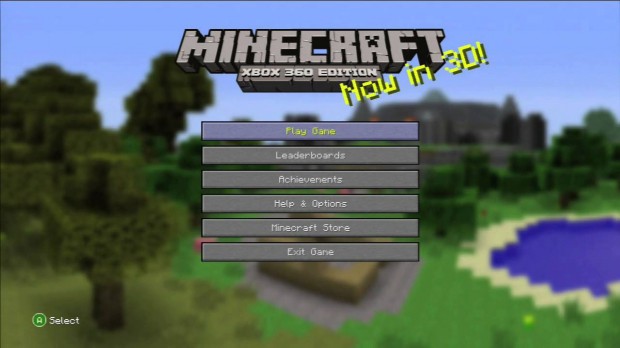
Earlier this year Microsoft acquired indie developer Mojang for $2.5 billion. It was a big move, and it left many fans wondering how it might effect Mojang’s hit game Minecraft. In a recent interview with IGN, Xbox head Phil Spencer talked about the desire to meet the needs of the game’s community. He said that Minecraft 2 may not make the most sense, and his words were followed by every fan of the game breathing a sigh of relief. Minecraft already does what it was created to do perfectly, why would it ever need a sequel?
Why it works so well
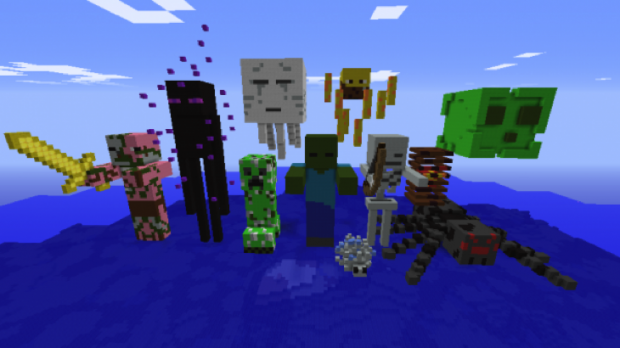
From the beginning, Minecraft was a game all about building. Not only was the gameplay about letting you create whatever you wanted, but the game itself was designed to be built up into something better. If you look at its original release and look at it now, it’s a very different game. Thanks to Mojang’s constant support with free updates, the game was able to constantly grow into something more grand. Content is constantly being added, and bugs are always being squashed. A sequel could never improve on the Minecraft formula, because its formula is all about improvement. A sequel would be a radical shift away from the pre-established normal of the game, changing it from a single evolving entity to a standard game series with annual static sequels.
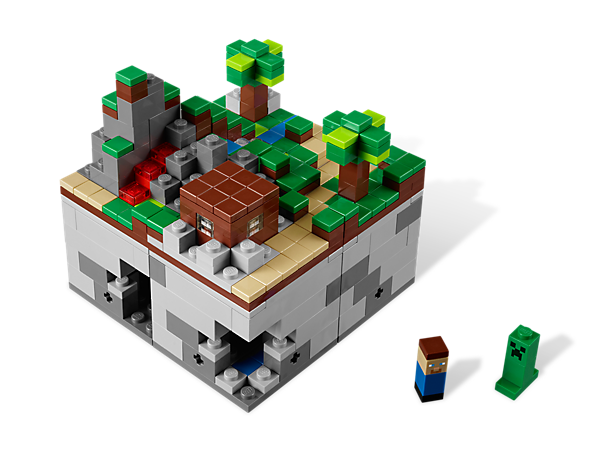
Now that Microsoft owns the game, the company’s best course of action to keep customers happy would just be to keep the updates rolling. Minecraft is now on more platforms than ever, catering to millions of players. Everyone who has purchased the game bought it knowing it would receive updates, that the developers would be adding more fun content. It’s essentially an Everlasting Gobbstopper: for a one-time price you get something you can never finish and that will remain good for years to come. If a sequel comes along it will make the original go stale, forever stopping progress in your old worlds. It’d be like a new Skylanders game that wasn’t compatible with last year’s figures, or a new box of Legos that didn’t fit your old pieces. New content shouldn’t intend to be a rigid standalone package; it should be an addition to the big Minecraft toy box.
Worst-case scenario
But what if, in some bizarre alternate future, a Minecraft 2 is made? Would it live up to its name? Would anyone care? What would it have to be to feel like a true sequel?
If Minecraft 2 rolls around Mojang and Microsoft can’t just add some new content. They need to add loads of new content, like the equivalent of 10 years’ worth of updates all rolled out at once. We’ll need new things to explore, something more than just new biomes and ancient structures. The most obvious option is new alternate realms like The Nether and The End. It’d be pretty sweet if we could explore space a la Really Big Sky, letting us visit and mine numerous randomly generated planets. More places to visit would also mean more building materials and new things to craft. It’d be nice to see new redstone elements, new light sources, new decorations — new everything! Maybe go the Banjo Kazooie: Nuts ‘n’ Bolts route and let us build our own custom vehicles to navigate the world faster. There are also so many odds and ends they could throw in, like an improved combat system and custom skins on consoles.
The possibilities for a sequel are limitless, but let’s face it, no matter how great it could be we’ll always wish it was just done as an update.
Other options
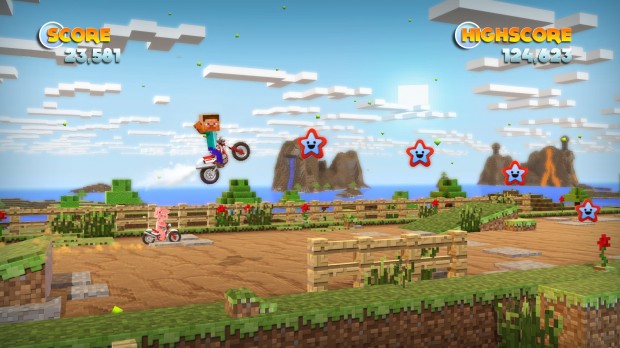
In the end, we have to remember Microsoft is a company, and the ideal future of endless free Minecraft updates isn’t going to bring in revenue. There’s many ways Microsoft could earn money from its new property without making a sequel. Maybe it’ll focus more on monetizing the game, delivering more skin and texture packs to consoles. Microsoft has provided some good paid content in the past, and as long as it’s kept cosmetic everyone can enjoy the game without spending extra cash. Maybe the series will get spin-off games instead of a sequel, releases that utilize the property without messing with the core experience. Microsoft could easily slap some creepers onto a free-to-play mobile puzzle game. It could also make small ID@Xbox games, maybe a randomly generated Diablo-esque dungeon crawler or a four-player party game. Minecraft has become a very recognizable brand, with its name and characters appearing anywhere that will garner a lot of attention.
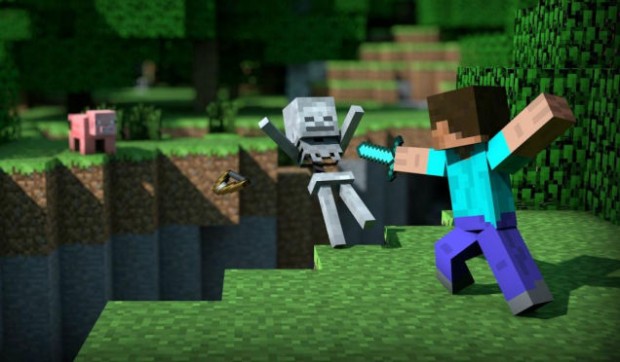
For better or worse, we don’t know what the future holds for Minecraft. Despite Microsoft’s stated good intentions, maybe a sequel is inevitable. While we still have to wait and see if Phil Spencer’s words hold true, his statement did prove one important thing: Microsoft has a pretty good understanding of what Minecraft is, and what its community would want. The company may not be the ones that created the game, but it’s shown that the future of our beloved game rests in good hands.
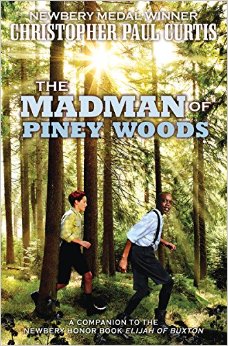
THE MADMAN OF PINEY WOODS
By Christopher Paul Curtis
Scholastic. $16.99.
Ages 8-12
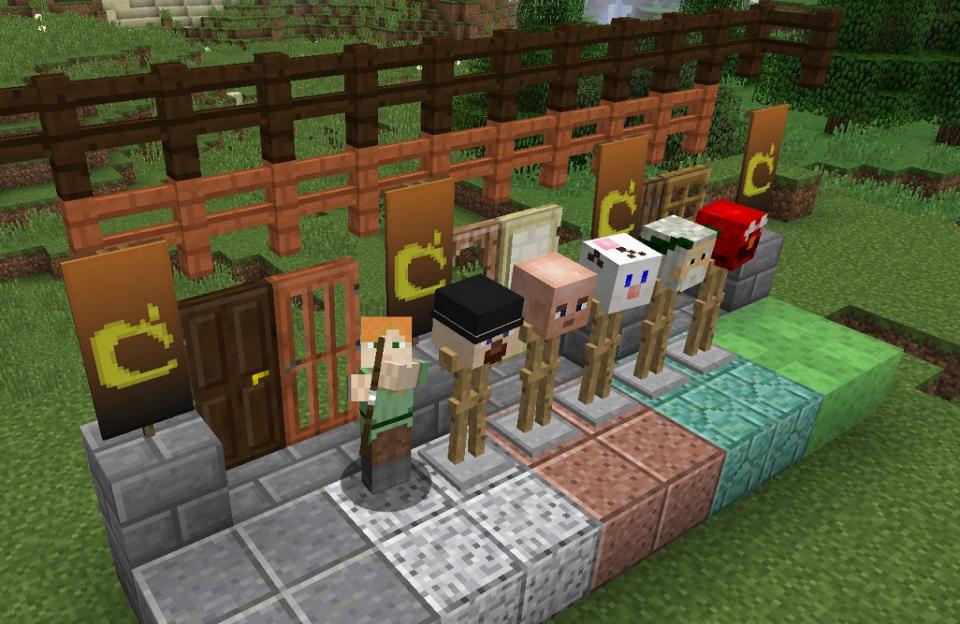
The latest pre-release build of Minecraft 1.8.1 has been published by Mojang, two weeks after the team last put together an early build of the incremental update, but the extra development time apparently hasn’t given Mojang any better of an idea as to when Minecraft 1.8.1 will be ready for an official release.
The fourth pre-release build of Minecraft 1.8.1 was published Thursday morning and the latest round of changes offer solutions for everything from ongoing bugs to handful of performance issues that have since been optimized. Only a few of the changes were outlined on the official Mojang blog, but we’re happy to report that lead Minecraft programmer Jens Bergensten continued his tradition of publishing more-complete versions of Mojang’s patch notes via his personal Reddit account.
In addition to stamping out more than half a dozen bugs, Minecraft 1.8.1 pre-release 4 offers unspecified improvements to the game’s rendering engine, which should (theoretically) result in smoother frame rates for some portion of the Minecraft community. The latest Minecraft 1.8.1 pre-release also tweaks the game’s Options menu.
On the bug front, Minecraft 1.8.1 pre-release 4 eliminates an error that cause villagers to ignore data tags when trading, along with a bug that allowed players to duplicate themselves on certain servers and one that caused chunks not to render properly for some players. The studio also fixed “an annoying bug” that will apparently not be given any further explanation.
Here are the complete patch notes for Minecraft 1.8.1 pre-release 4 (via Jens Bergensten):
- Rendering performance improvements
- Options changes
- off/fancy/fast clouds
- off/on entity shadows
- fast/fancy now only controls leaves and rain particles
- Dropped items on fast graphics now rotate again
- Fixed some bugs
- Fixed the Anvil GUI truncating long item names and showing garbage at the end
- Fixed chunks not rendering behind the player in F5 or changed FOV until moving the mouse
- Fixed an annoying bug
- Fixed villagers ignoring data tags in trading
- Fixed /summon ignoring rotation
- Fixed /execute detect giving false positive when in different dimension
- Fixed players duplicating themselves on servers
- Fixed mineshafts generating air blocks at wrong location
Be sure to check back with iDigitalTimes.com and follow Scott on Twitter for additional Minecraft coverage throughout the remainder of 2014 and for however long Mojang continues to publish new Minecraft content in the years to come.

Phil Spencer, head of Microsoft’s Xbox division, discussed the tech giant’s plans for the “Minecraft” game series, according to Game Spot.
In mid-September of this year, it was reported that Microsoft purchased “Minecraft” developer Mojang AB for $2.5 billion. Although the deal is not yet final, the acquisition caused fans of the game to worry about the franchise’s fate, Wall Street Journal reported.
According to Spencer, Microsoft purchased the developer because it thinks “Minecraft” will be a great addition to its roster of games.
“It’s a big deal,” he said about the acquisition. “For me, I look at it as a great game to add to our portfolio. I love [the gamer] who plays ‘Minecraft.’ I love that male, female, young and old – it’s something that lives on so many different screens. I’d love to bring it to more screens out there.”
As Microsoft’s first plan for “Minecraft,” Spencer said the company wants to unify the game’s different versions using Xbox Live. However, he didn’t clarify if this includes versions for rival consoles such as Sony’s PlayStation and PlayStation Vita.
“I think what we’ve learned through Xbox Live is something that we can help in unifying a little bit of what happens with ‘Minecraft’ today,” he said. “If I’m on PC I get access to the mod servers; if I’m on console or the mobile editions, I don’t.”
“We’re looking at how do we bring that whole system together a little more,” Spencer added. “Because there are other games out there that let me move from screen to screen fairly seamlessly.”
Regarding the possibility of developing “Minecraft 2,” Spencer said there are no plans yet to create a sequel. Microsoft will first focus on catering to the needs and desires of the first game’s gaming community before moving on with a second installment, VG247 reported.
“I don’t know if ‘Minecraft 2,’ if that’s the thing that makes the most sense,” he said. “The community around ‘Minecraft’ is as strong as any community out there. We need to meet the needs and desires of what the community has before we get permission to go off and do something else.”
“We look at Job 1 is to go out and meet the needs of the ‘Minecraft’ community first, and then we can think about ways that we can actually help grow it,” Spencer continued. “That’s our sole focus.”
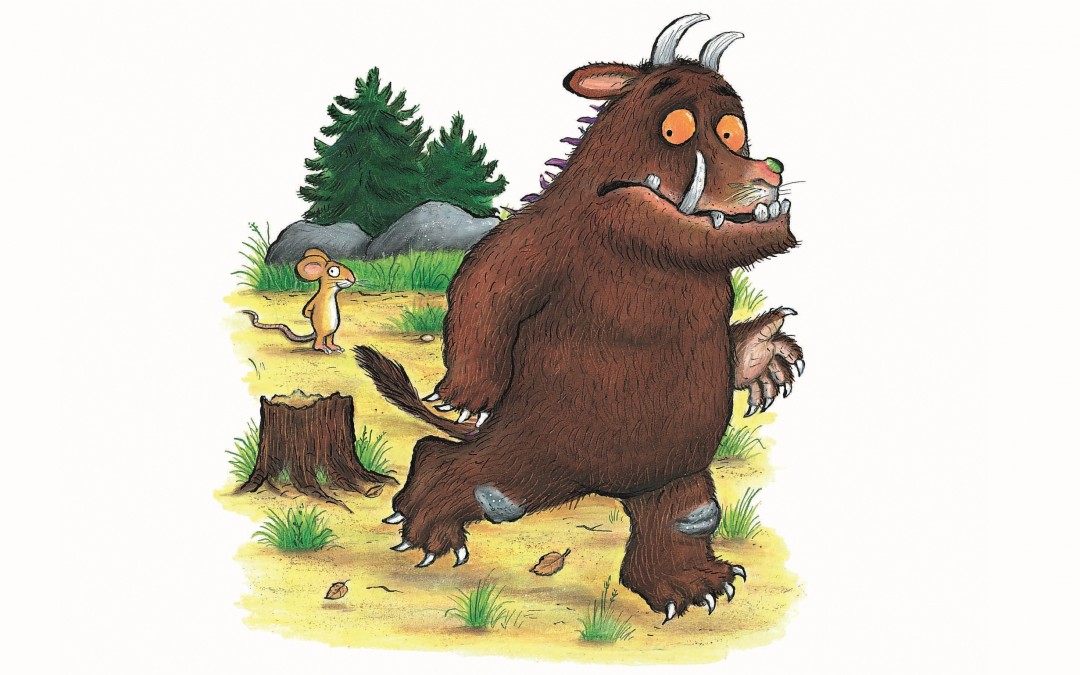
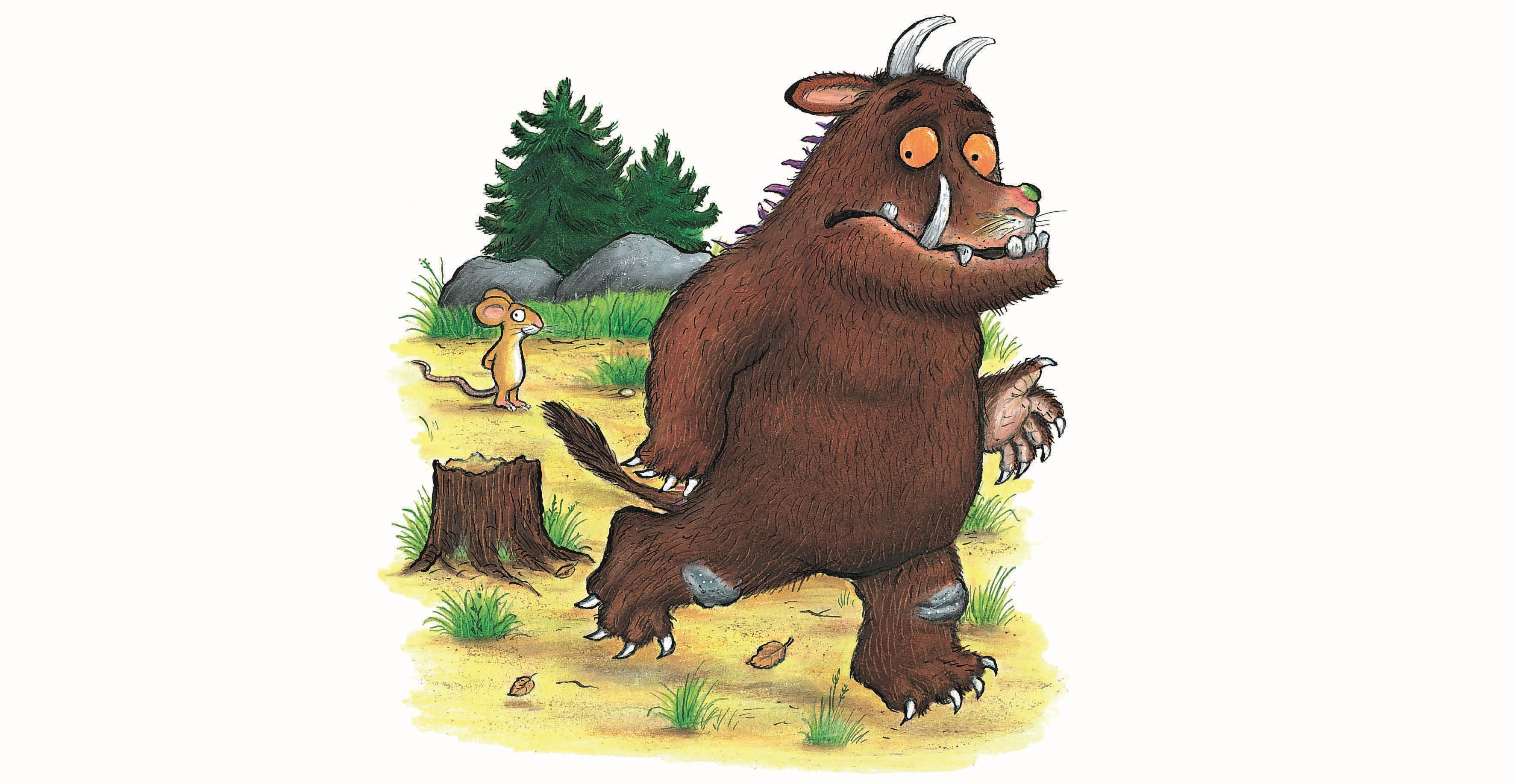 Hidden somewhere in a deep, dark wood – guarded by a quick-witted mouse and a gullible creature with “terrible claws/And terrible teeth in his terrible jaws” – is the secret to getting young children reading for pleasure. Not just a few children: we’re talking millions. And Julia Donaldson is going to tell you what it is.
In the 24 October issue, the author of The Gruffalo and former children’s laureate explains that the secret is simpler than you might imagine: utilising rhyme.
“Children love rhyme and rhythm, it’s a very natural thing,” she says. “If they are lucky, a child has probably been brought up on nursery rhymes and chants. Even if they haven’t, people tend to speak rhythmically to children, even if it’s just: ‘Go to sleep, go to sleep.’ ”
As a result, Donaldson says, children have an affinity with rhyme that can be utilised in the classroom.
“As they enjoy it, it will increase their overall enjoyment of reading and their love of and interest in language,” she says.
She explains that exploring rhyme is not just about reading it, but writing it, too. Admittedly, this is tough with younger children, but Donaldson has some tips teachers can use including the below (see the full feature for more).
“I make myself a little list of all the possible rhyme onsets,” she says. “There are so many beginnings to words – not just the alphabet but sounds like “sh” and “th” – that it can be difficult to remember them. I started giving kids an onset list like the one I would use myself. I’d get them to think of a word and then come up with a rhyme for it by going down the list and trying each sound.”
Although she is not claiming that using rhyme or performance will automatically instil a love of reading in all students, Donaldson’s use of these elements in books that have a proven track record in getting pupils reading suggests that teachers should at least give them a try. After all, 13 million children (the current sales of The Gruffalo) can’t be wrong, can they?
Read the full article in the 24 October edition of TES on your tablet or phone or by downloading the TES Reader app for Android or iOS. Or pick it up at all good newsagents.